Roof Repair · Midwest City, OK
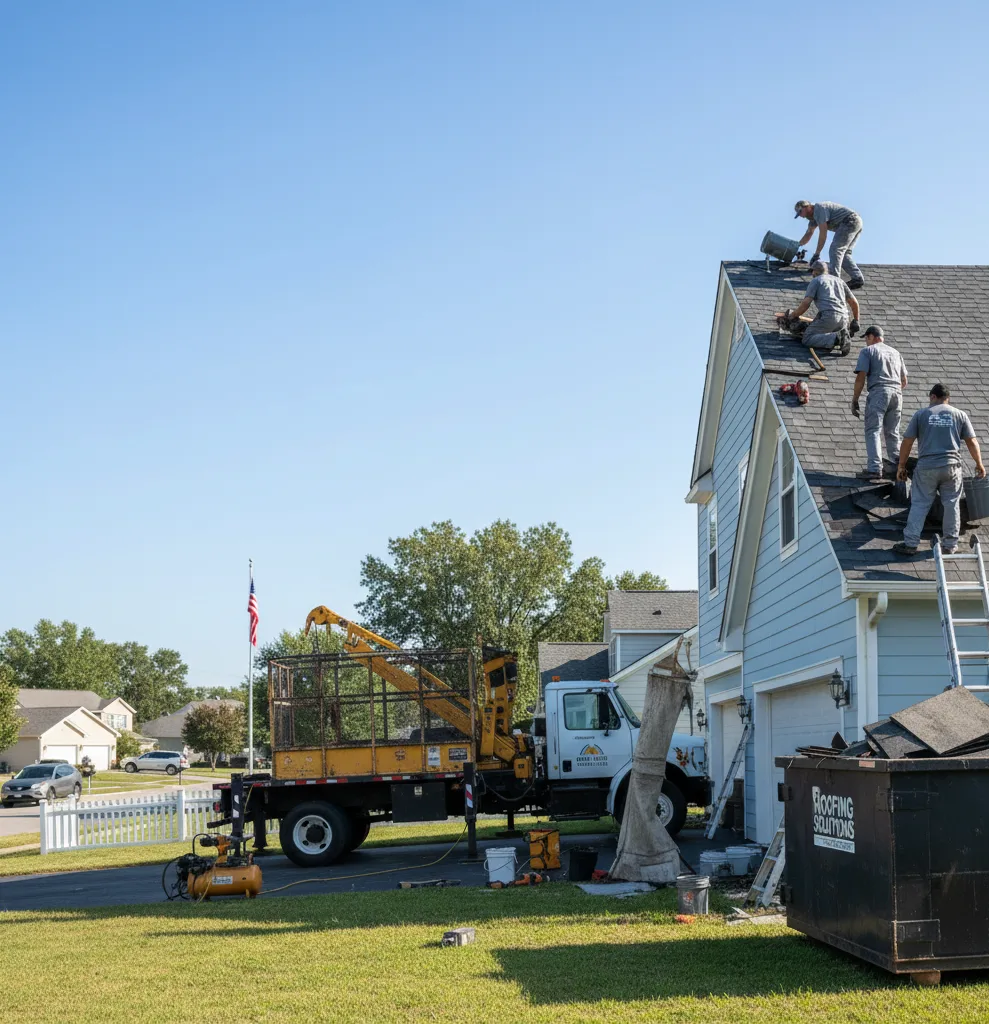
The company records roof condition with photographs and written notes so owners can see what was found and what was corrected. Materials are chosen to match the existing membrane type rather than using a single product on every roof, including those handled under commercial roof repair.
Flat roof systems rely on continuous membrane coverage and sealed transitions at walls, curbs, and drains. Over time, seams can separate where sheets were overlapped during installation. Standing water near low spots accelerates wear on the surface coating and can push small openings wider, situations that roof leak repair addresses. Technicians perform a roof inspection, examining the entire field, paying attention to areas around HVAC units and skylight curbs where movement or foot traffic often creates stress. They also check the condition of existing patches to see whether earlier repairs are still bonded or have begun to lift at the perimeter.
Once the affected zones are marked, the surface is cleaned to remove loose debris and oxidized material. New membrane sections are cut to overlap the damaged area by the manufacturer-recommended distance, then secured with the appropriate adhesive or heat-weld method. Drains are cleared of sediment so water can move away from the repair zone during roof maintenance. All new seams receive a test for continuity before the crew leaves the site.
The ground beneath any structure determines how much settling occurs over the decades, and that movement can stress the deck and seams of a flat roof. Midwest City rests on clay loam. Flat roof systems must accommodate these small shifts without developing leaks at the joints or flashings.
Weather cycles also shape how quickly roofing materials age. The local pattern brings hot summers and cold winters, and 61 nights below freezing. Extreme heat accelerates membrane breakdown while repeated freeze-thaw action can open small cracks that allow water intrusion.
Local conditions often include a real freeze risk each winter. These factors guide the choice of repair methods and materials so the roof continues to shed water effectively regardless of the season. Regular inspections catch early signs of wear before minor issues turn into larger problems.
FAQ

Material compatibility, fastening patterns, and sealant choice all play a role in how the repaired area holds up over time. Matching the existing underlayment type and ensuring proper overlap at seams reduces the chance of new entry points forming nearby. Weather exposure after the work also influences longevity, particularly on slopes that receive direct sun or prevailing wind.
Small sealant touch-ups on accessible flashing are sometimes done by owners, but any work above single-story height introduces fall risks and potential warranty issues on the existing roof. Professional crews carry the proper safety equipment and know how to avoid disturbing sound sections while accessing the problem area. A quick assessment can clarify whether the situation requires immediate professional attention or can wait for scheduled maintenance.
A surface patch can stop immediate entry but does not always address the path water took to reach that point. An inspection often includes checking the decking beneath the shingles and the condition of nearby flashing. If the underlayment has deteriorated or the leak has traveled along rafters, additional sections may need attention to prevent recurrence in adjacent areas.
Roof Repair across Midwest City, OK. Call (888) 206-5996.
Call (888) 206-5996